Home Modification
How home modifications work in New York
Start with the bathroom and the stairs: grab bars anchored into studs, a shower chair, a raised toilet seat, and solid railings on both sides of every staircase.
In rentals and co-ops, ask the landlord or board before drilling. Tenants with disabilities can request reasonable changes.
Medicaid managed long term care plans may cover some modifications, and county and nonprofit programs help with repairs in many areas.
Common changes
Bathroom safety
Grab bars, shower chairs, raised seats.
Stair rails
On both sides, inside and out.
Ramps
For walkers and wheelchairs.
Lighting
Night-lights and brighter hallways.
First-floor living
A bedroom and bath without stairs.
Safety check
A therapist's home visit.
Signs it is time
- A recent fall
- Holding the walls
- Avoiding the shower
- Sleeping in a chair
- Dark stairways
- Fear of stairs
A person to think it through with
Tell us what is going on with your mother, father or spouse, and a New York Care Network guide helps you sort through the home modification options near them. It is free, and we have nothing to sell you.
The licensed options, closest first
We build the home modification list from New York State Department of Health licensing records, Medicare Care Compare and the federal NPI registry, and send you the 10 closest to your ZIP code, with Medicare stars and Google ratings where they exist.
You decide who hears from you
Pick the providers you want to talk to, and we pass your information to them and to no one else. Families pay nothing, and no provider pays us a referral or placement fee. Featured listings are paid advertising and are always labeled.
Questions to ask a contractor
Bring these on a call or a tour. A good provider will be glad you asked.
- Are you licensed and insured?
- Have you done accessibility work before?
- Will you anchor grab bars into studs?
- What will it cost in writing?
- Do you need a permit?
Home Modification: common questions
See all 8 home modification questions and who to call
Who can check the house for hazards?
An occupational therapist, often on a doctor's order. Ask your parent's doctor.
On the New York care map
Home Modification providers in New York
We’re building this part of the network now. Search by city or ZIP, or ask a guide to find the right fit for free.
Are you a home modification provider? Premium listings show first on the care map, with your logo, a photo gallery and a virtual tour.
Resource hub
Guides that help with this decision

Other kinds of care we help families find
 Hospice
 Home Health
 Mobile Medical Care
 Home Infusion
 In-Home Personal Care
 Senior Living
 Assisted Living
 Memory Care
 Skilled Nursing & Rehab
 Adult Day
 Respite Care
 Case & Care Management
 Medical Equipment
 Long-Term Care Pharmacy
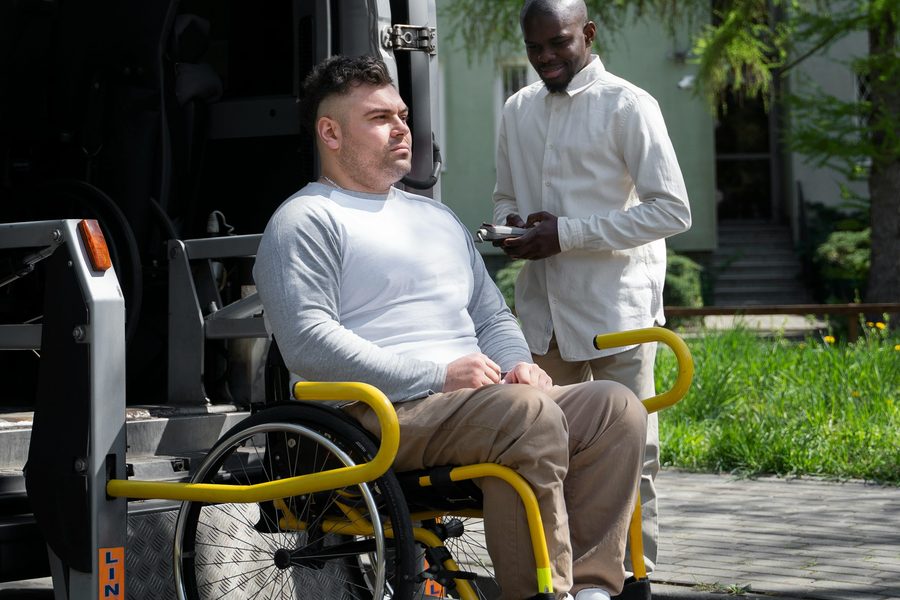 Medical Transportation
 Dialysis
 Hospitals
 Addiction Recovery
 Mental Health
Sources
- CDC: STEADI fall prevention, check for safety
- CDC: Older adult falls data
- New York State Department of Health: Managed long term care
This page is general information, not medical, legal or financial advice. Coverage rules change; confirm details with the program or your plan. Last reviewed October 31, 2026.
