Home Health
How home health works in New York
Home health is short-term skilled care a doctor orders: nursing, physical, occupational or speech therapy, and aide visits that go with them. Medicare covers it for people who are homebound and need part-time skilled care.
In New York, skilled home health that Medicare and Medicaid pay for comes from certified home health agencies, called CHHAs. The state approves each one through a review of local need, so there are far fewer CHHAs than ordinary home care agencies.
Licensed home care services agencies (LHCSAs) are the ones that send aides for everyday help. Families often use a CHHA after a hospital stay and an LHCSA, or a Medicaid plan, for the longer haul.
What home health covers
Skilled nursing
Wound care, injections, checking vital signs and teaching the family.
Therapy
Physical, occupational and speech therapy at home.
Aide visits
Help with bathing tied to the plan of care.
A care plan
Written goals, reviewed with the doctor.
Medical social work
Help with resources and planning.
After-hours line
A number to call nights and weekends.
Signs a parent may need home health
- Struggling after a hospital discharge
- New medicines that are confusing
- A wound that needs dressing changes
- Weak or unsteady on their feet
- Short of breath at home
- A recent fall
How New York Care Network helps with home health
A person to think it through with
Tell us what is going on with your mother, father or spouse, and a New York Care Network guide helps you sort through the home health options near them. It is free, and we have nothing to sell you.
The licensed options, closest first
We build the home health list from New York State Department of Health licensing records, Medicare Care Compare and the federal NPI registry, and send you the 10 closest to your ZIP code, with Medicare stars and Google ratings where they exist.
You decide who hears from you
Pick the providers you want to talk to, and we pass your information to them and to no one else. Families pay nothing, and no provider pays us a referral or placement fee. Featured listings are paid advertising and are always labeled.
Questions to ask a New York home health agency
Bring these on a call or a tour. A good provider will be glad you asked.
- Are you a certified home health agency for Medicare and Medicaid?
- Do you serve my parent's ZIP code, and how soon can you start?
- Which therapists will come, and how often?
- Who do we call after hours?
- If my parent will need help after you finish, how do we arrange it?
Home Health: common questions
See all 11 home health questions and who to call
What is the difference between a CHHA and an LHCSA?
A certified home health agency (CHHA) provides skilled nursing and therapy and can bill Medicare and Medicaid directly. A licensed home care services agency (LHCSA) sends aides for personal care and usually works through private pay or a Medicaid plan.
Where do we take a complaint?
The agency first, then the New York State Department of Health home care and hospice hotline, 1-800-628-5972.
On the New York care map
90 home health providers listed in New York
Most in Brooklyn, Bronx, New York, Westbury, Hempstead, Albany. Search by city or ZIP, or ask a guide to find the right fit for free.
Are you a home health provider? Premium listings show first on the care map, with your logo, a photo gallery and a virtual tour.
Resource hub
Guides that help with this decision

Other kinds of care we help families find
 Hospice
 Mobile Medical Care
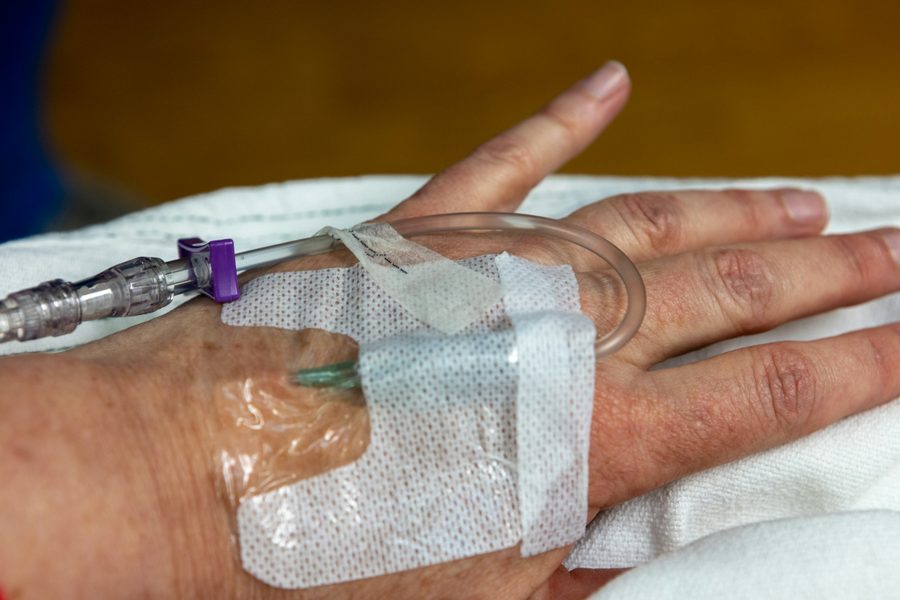 Home Infusion
 In-Home Personal Care
 Senior Living
 Assisted Living
 Memory Care
 Skilled Nursing & Rehab
 Adult Day
 Respite Care
 Case & Care Management
 Medical Equipment
 Home Modification
 Long-Term Care Pharmacy
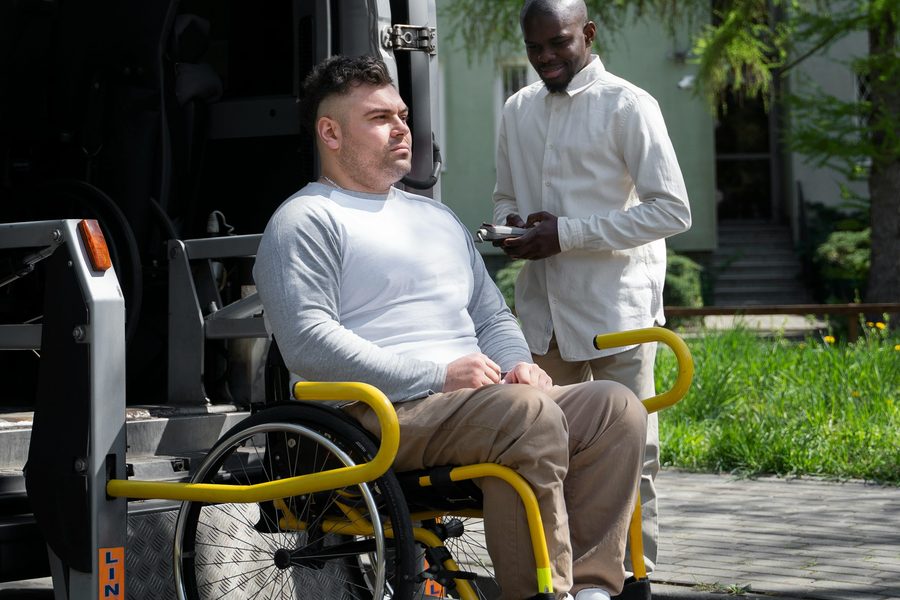 Medical Transportation
 Dialysis
 Hospitals
 Addiction Recovery
 Mental Health
Sources
- Medicare.gov: Home health services
- Medicare.gov: Care Compare
- New York State Department of Health: Home care
- NYS Health Profiles: Home care agencies and hospices
- NYS Health Profiles: Complaints about home care agencies and hospices
This page is general information, not medical, legal or financial advice. Coverage rules change; confirm details with the program or your plan. Last reviewed October 31, 2026.
